
.png)


Safe and Comfortable General Anaesthetic Dentistry


For many people, dental visits can be stressful or even overwhelming. This is where a general anesthetic dentist can make a significant difference by ensuring a safe and comfortable experience during complex or anxiety-inducing procedures. At Brisbane Dental, we focus on helping patients feel relaxed while receiving essential dental care.
In this guide, we will explore how general anaesthesia works in dentistry, who it is suitable for, and what we can expect throughout the process. Understanding these aspects helps us feel more confident and prepared when considering treatment with a dentist general anaesthetic approach.
What is a General Anesthetic Dentist?
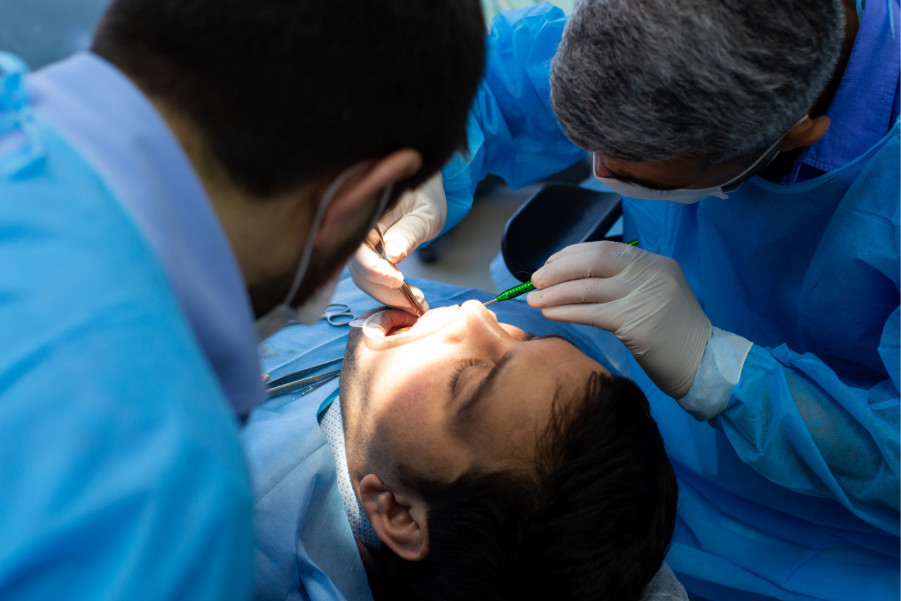
A general anesthetic dentist is a professional who performs dental procedures while the patient is under general anaesthesia. This means we are completely unconscious during the treatment, allowing for a pain-free and stress-free experience.
How General Anaesthesia Works in Dentistry
General anaesthesia involves carefully controlled medication administered by trained professionals.
It places the patient in a sleep-like state
Eliminates pain and awareness during procedures
Requires continuous monitoring of vital signs
Is typically performed in a clinical or hospital setting
This approach is often used for complex dental treatments or for patients who experience severe anxiety.
Difference Between Sedation and General Anaesthesia
It is important to understand how general anaesthesia differs from other sedation methods.
Feature | General Anaesthesia | Sedation Dentistry |
Consciousness | Fully unconscious | Partially awake |
Pain Awareness | None | Minimal |
Use Case | Complex procedures | Mild to moderate anxiety |
Monitoring | Intensive | Moderate |
Understanding these differences helps us choose the most suitable option for our needs.
Who Needs a General Anesthetic Dentist?
Not everyone requires general anaesthesia, but it can be highly beneficial in specific situations. Below, we explore who may benefit most from this approach.
Common Patient Groups
Individuals with severe dental anxiety or phobia
Patients requiring extensive dental work
Children who cannot sit through procedures
People with special healthcare needs
Patients with strong gag reflexes
These groups often find that a general anaesthesia dentist provides a more manageable and comfortable treatment experience.
When is General Anaesthesia Recommended?
Dentists evaluate several factors before recommending general anaesthesia.
Complexity of the procedure
Patient’s medical history
Level of anxiety or fear
Duration of treatment
By considering these factors, we can ensure the safest and most effective care plan.
Procedures Performed Under General Anaesthesia
A general anesthetic dentist can perform a wide range of procedures while the patient is fully relaxed.
This section outlines common treatments that are often carried out under general anaesthesia.
Common Dental Treatments
Tooth extractions, including wisdom teeth
Dental implants
Full mouth restorations
Root canal treatments
Paediatric dental procedures
Benefits of Combining Procedures
One major advantage is the ability to complete multiple treatments in a single session.
Reduces the number of visits
Minimises overall stress
Improves efficiency of treatment
This approach is especially helpful for patients who prefer fewer appointments.

Safety of General Anaesthesia in Dentistry
Safety is one of the most important concerns when considering general anaesthesia.
Modern dental practices follow strict protocols to ensure patient wellbeing.
Key Safety Measures
Pre-procedure medical assessments
Continuous monitoring of heart rate and oxygen levels
Use of trained anaesthetic professionals
Emergency preparedness protocols
Risks and Considerations
Temporary side effects such as drowsiness
Rare complications related to anaesthesia
Need for post-procedure supervision
While risks exist, they are minimised through proper planning and professional care.
What to Expect Before, During, and After the Procedure
Understanding the full process helps us feel more comfortable and prepared.
Before the Procedure
Medical history review
Instructions on fasting
Discussion of treatment plan
During the Procedure
Administration of anaesthesia
Continuous monitoring
Completion of dental work
After the Procedure
Recovery in a monitored environment
Temporary grogginess or fatigue
Post-care instructions
Knowing what to expect reduces uncertainty and helps us plan accordingly.
Benefits of Choosing a General Anaesthesia Dentist
Choosing a dentist general anaesthetic approach offers several advantages, especially for patients with specific needs.
Key Benefits
Pain-free experience
Reduced anxiety and fear
Ability to complete complex procedures
Improved overall comfort
Long-Term Advantages
Better oral health outcomes
Increased willingness to seek dental care
Reduced treatment delays
These benefits highlight why general anaesthesia dentistry is an important option for many patients.
Choosing the Right Brisbane Dental Anaesthetics Centre
Selecting the right provider is essential for a safe and successful experience.
We should evaluate several factors before planning.
What to Look For
Qualified and experienced professionals
Accredited facilities
Clear communication and patient support
Positive patient reviews
Internal Resources for Guidance
To learn more about safe and professional dental care, we can visit Brisbane Dental Anaesthetics Centre.
We can also explore their services related to general anaesthesia dental procedures and special needs dentistry for a better understanding of available treatment options.
For further assistance or to discuss treatment plans, the Contact Us page provides direct support.
Common Myths About General Anaesthesia Dentistry
There are several misconceptions about general anaesthesia in dentistry.
Clarifying these myths helps us make informed decisions.
Myths vs Reality
Myth: General anaesthesia is unsafe
Reality: It is highly regulated and monitored
Myth: It is only for major surgeries
Reality: It can be used for various dental procedures
Myth: Recovery is always difficult
Reality: Most patients recover quickly
Understanding these points helps reduce fear and confusion.
Cost and Accessibility Considerations
Cost is an important factor when considering treatment with a general anaesthesia dentist.
Factors Affecting Cost
Type of procedure
Duration of anaesthesia
Facility and equipment used
Specialist involvement
Accessibility
Available in specialised dental centres
May require referral in some cases
Health insurance coverage may vary
Planning ahead helps us manage both cost and accessibility effectively.
Conclusion
Choosing a general anesthetic dentist can transform the dental experience for patients who feel anxious or require complex treatments. At Brisbane Dental Anaesthetics Centre, the focus is on providing safe, comfortable, and well-managed care tailored to individual needs.
By understanding how general anaesthesia works, its benefits, and what to expect, we can make informed decisions about our dental health. Whether we need extensive treatment or simply want a stress-free experience, general anaesthesia dentistry offers a reliable solution.
Contact Us
If you would like to learn more or discuss your options, visit our Contact Us page. Our team is here to assist you with your dental care needs.
FAQs
What does a general anesthetic dentist do?
A general anesthetic dentist performs dental procedures while the patient is fully unconscious to ensure a pain-free experience.
Is general anaesthesia safe for dental procedures?
Yes, when administered by trained professionals, it is considered safe and carefully monitored.
Who should consider a general anaesthesia dentist?
Patients with severe anxiety, special needs, or those requiring complex procedures may benefit.
How long does recovery take after general anaesthesia?
Most patients recover within a few hours, although mild drowsiness may last longer.
Can multiple procedures be done at once?
Yes, one advantage of general anaesthesia is the ability to complete multiple treatments in a single session.

Comments