
.png)


Braces for Teeth: Everything You Need to Know

Updated: May 26
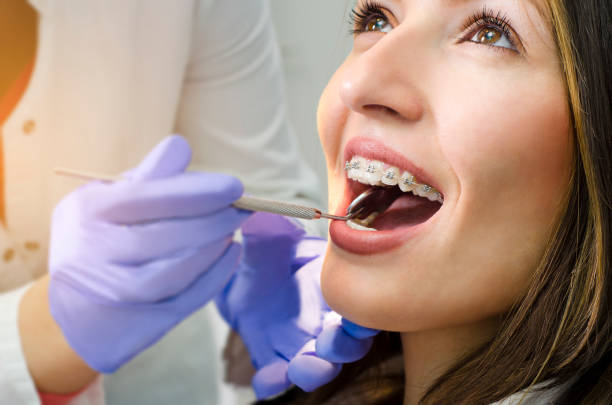
At Brisbane Dental, we understand that your smile is one of your most important features. Whether it’s for aesthetic reasons or to correct functional issues like a misaligned bite, considering braces for teeth is a big step toward improving both your confidence and oral health. Many people wonder how braces work, what types are available, and what results they can realistically expect. That’s why we’ve created this comprehensive guide.
In this article, we’ll explain everything from the different types of braces and how they work to care tips, lifestyle adjustments, and the long-term benefits of orthodontic treatment. We also highlight considerations for children, teenagers, and adults, ensuring that every patient—no matter their age—can find guidance on achieving a healthy, straight smile. By the end, you’ll have a clear understanding of braces and orthodontics, so you can feel confident about taking the next step in your dental journey with Brisbane Dental, your trusted choice for dental braces Brisbane.
What Are Braces?
Braces are orthodontic devices used to correct misaligned teeth, bite issues, and jaw problems. They work by applying gentle, consistent pressure over time, gradually moving teeth into their ideal positions. This not only improves the look of your smile but also enhances oral function, making chewing easier and reducing the risk of dental problems.
Braces are recommended for a variety of issues, including:
Crooked or crowded teeth
Gaps between teeth
Overbite, underbite, or crossbite
Jaw misalignment or irregular bite patterns
Correcting these problems improves oral health and can prevent long-term issues such as tooth decay, gum disease, and uneven wear on teeth.
Types of Braces
There are several types of braces, each suited to different needs and preferences. Here’s a detailed breakdown:
Type of Braces | Description | Pros | Cons |
Metal Braces | Traditional stainless steel brackets and wires | Very effective for complex cases, highly durable | Noticeable appearance |
Ceramic Braces | Tooth-coloured brackets that blend with teeth | Less noticeable, effective for moderate cases | Fragile, may stain if not cleaned properly |
Lingual Braces | Braces fitted on the inner side of teeth | Invisible from outside, effective for severe misalignment | Expensive, may initially affect speech |
Clear Aligners | Removable clear trays (e.g., Invisalign) | Nearly invisible, removable for eating and cleaning | Requires discipline, may not suit severe cases |
Whether you’re looking for traditional dental braces in Brisbane or modern clear aligners, our clinic offers solutions for every need.
How Braces Work
Braces for teeth gradually shift teeth into proper alignment. Understanding how they work can help you feel more comfortable during treatment.
Step-by-Step Treatment Process
Initial Consultation: Your orthodontist evaluates your teeth, bite, and jaw structure. This may involve X-rays, photographs, or 3D scans to create a precise treatment plan.
Treatment Plan: A personalised plan is developed, specifying the type of braces, estimated duration, and expected outcome.
Fitting Braces: Brackets are attached to your teeth, connected with wires. Additional tools such as elastics or springs may be used to guide tooth movement.
Regular Adjustments: Check-ups every 4–8 weeks allow your orthodontist to adjust the braces, ensuring teeth move correctly and comfortably.
Retention: Once braces are removed, retainers are worn to maintain teeth in their new positions. Retainers are essential to prevent teeth from shifting back.
Teeth move because the bone surrounding them remodels when gentle pressure is applied. This natural process makes gradual adjustments safe and effective.
Expected Results of Braces
Braces for teeth can dramatically improve both appearance and function. Most patients notice:
Straighter teeth with gaps closed and crowding corrected
Better bite alignment reducing jaw strain and discomfort
Improved oral hygiene because straight teeth are easier to clean
Enhanced self-confidence in social and professional settings
The timing of visible changes varies, but most patients see significant improvements within a few months, with full results stabilised after the retention period.
Benefits of Braces
Braces offer many benefits beyond a better-looking smile:
Oral Health Improvements: Straighter teeth reduce the risk of cavities, gum disease, and abnormal wear.
Jaw Alignment: Correcting bite issues relieves stress on teeth and jaw muscles.
Speech Improvement: Properly aligned teeth can enhance clarity of speech.
Preventing Future Issues: Misaligned teeth can cause long-term dental problems; braces help prevent them.
Investing in braces is a long-term benefit for health, function, and confidence.
Caring for Your Braces
Proper care is crucial for effective treatment and avoiding complications:
Brushing and Flossing: Use soft-bristled brushes, floss threaders, or water flossers to clean around brackets.
Avoid Hard or Sticky Foods: Foods like nuts, caramel, or chewing gum can damage braces.
Attend Appointments: Regular adjustments keep progress on track.
Mouthguards for Sports: Protect braces and teeth during physical activity.
Handle Emergencies Promptly: Broken wires or brackets should be addressed immediately.
Following these steps can make treatment more comfortable and reduce treatment time.
Braces for Different Age Groups
Braces are effective for children, teenagers, and adults:
Children: Early intervention can guide jaw growth, preventing more severe problems later.
Teenagers: Most common age group for braces; compliance is high and results are predictable.
Adults: Modern braces options, including clear aligners, allow adults to correct alignment discreetly.
Regardless of age, proper treatment planning ensures effective results.
Lifestyle Tips During Treatment
Adapting to life with braces is easier with a few simple habits:
Maintain a healthy diet that is gentle on braces
Brush twice daily and floss at least once daily
Use orthodontic wax for areas causing irritation
Avoid nail-biting, chewing pens, or other habits that can damage braces
Manage minor discomfort with recommended pain relief
These habits help improve comfort and maintain steady progress throughout treatment.
Maintaining Results After Braces
Retention is a critical step after braces. Retainers keep teeth in their corrected positions. Common types include:
Removable Retainers: Can be taken out for cleaning or special occasions
Fixed Retainers: Bonded to the back of teeth for continuous support
Maintaining proper oral hygiene and following your orthodontist’s instructions is key to long-lasting results. Regular check-ups after braces are essential to monitor stability.
Conclusion
Choosing to invest in braces for teeth is more than just improving your smile—it’s a decision that benefits your overall oral health, jaw alignment, and self-confidence. From traditional metal braces to modern clear aligners, there is a range of options to suit different needs, lifestyles, and preferences.
At Brisbane Dental, we pride ourselves on guiding patients through every step of their orthodontic journey. From the initial consultation to retention after treatment, our team ensures that each patient receives personalised care tailored to their needs. Braces not only correct misalignment but also make oral hygiene easier, prevent long-term dental problems, and provide a smile you can feel proud of.
Start your journey to a straighter smile today. Contact us to schedule a consultation and find out which braces option is right for you.
FAQs
How long will I need to wear braces?
Most treatments last 12–36 months, depending on the severity of alignment issues.
Are braces painful?
Discomfort is normal after adjustments, but it usually eases within a few days.
Can adults get braces?
Yes! Adults can successfully undergo orthodontic treatment, including discreet clear aligners.
How often should I visit my orthodontist?
Check-ups aregenerally scheduled every 4–8 weeks for adjustments and monitoring.
How do Imaintainresults after braces?
Wearing retainers as instructed and maintaining good oral hygiene ensures long-lasting results.


Comments